Estadio Azteca: Where Football Meets Culture
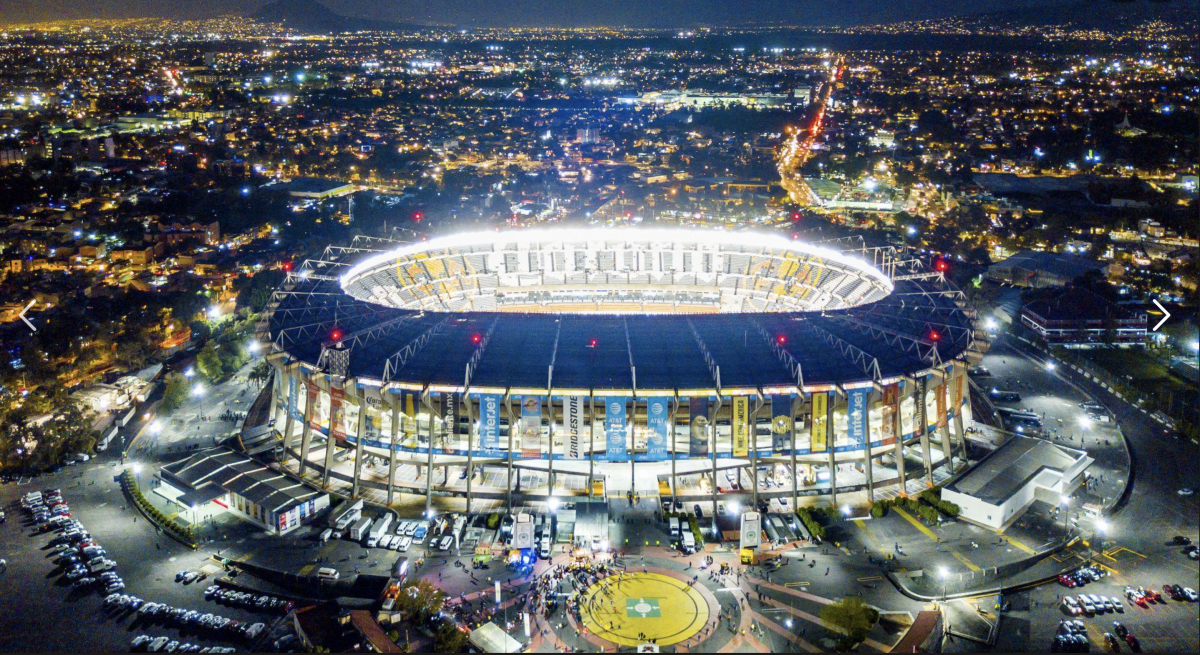
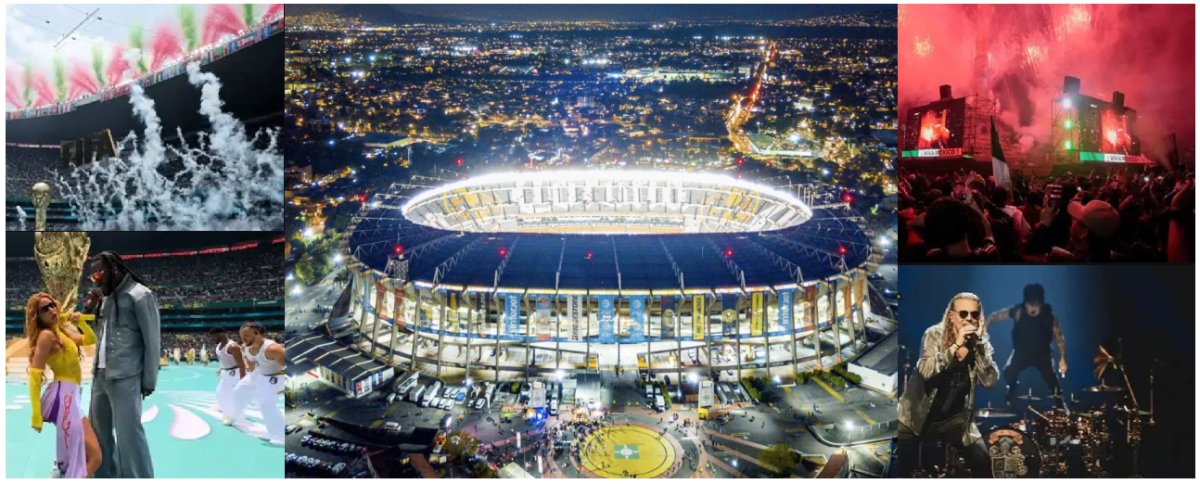
The FIFA World Cup 2026 began at the legendary Estadio Azteca in Mexico City, a venue that has now hosted three inaugurations (1970, 1986, 2026). More than a sporting event, the opening day unfolded as a cultural spectacle, blending heritage, music, and global unity.
A Celebration of Identity
The ceremony showcased Mexico’s rich traditions: papel picado banners, folkloric dancers, and Indigenous rhythms filled the stadium. International stars — Shakira, Burna Boy, J Balvin, Maná, Belinda, Alejandro Fernández, Los Ángeles Azules, Lila Downs, Tyla, and Ryan Castro — electrified the crowd. The premiere of “Dai Dai”, the official World Cup anthem, symbolized diversity and passion, echoing across continents.
The Match in Brief
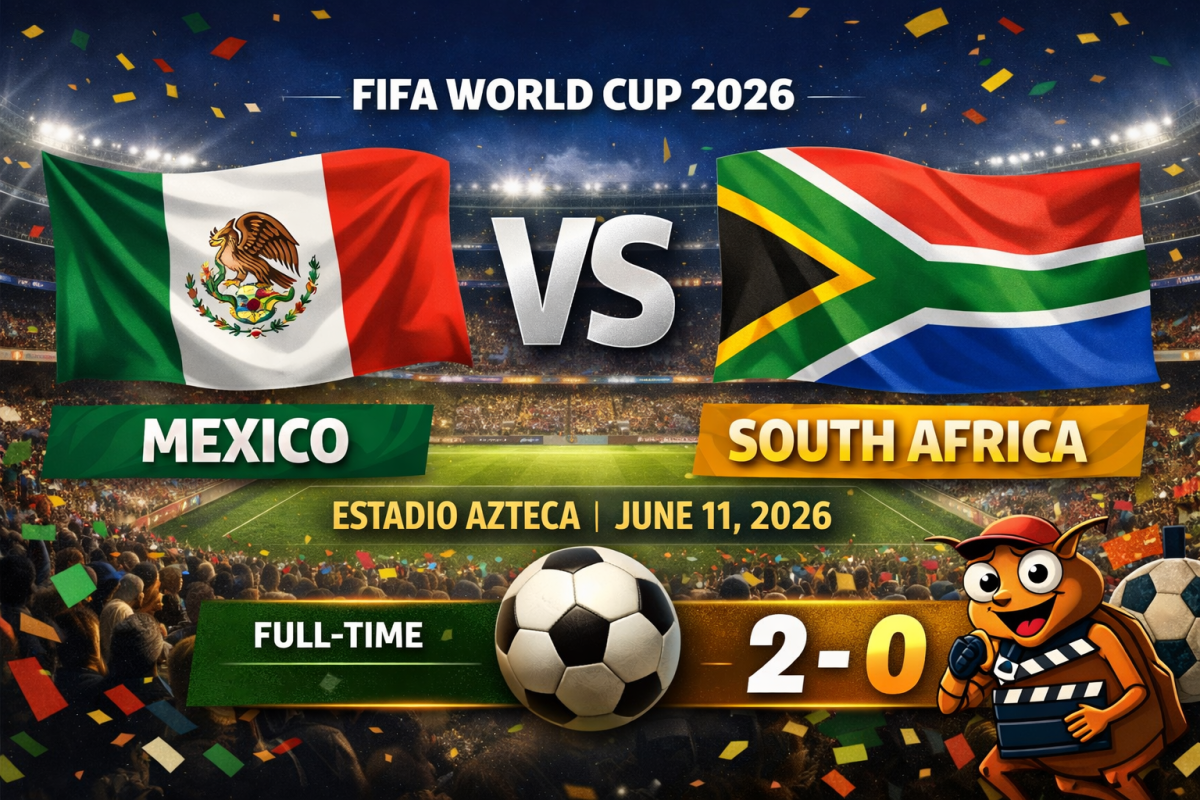
Mexico defeated South Africa 2–0 in front of nearly 80,000 fans. Julián Quiñones made history by scoring the tournament’s first goal, while Raúl Jiménez sealed victory with a powerful header. Despite red cards and tense moments, the match served as a backdrop to the larger cultural narrative — football as a vessel of renewal and pride.
Atmosphere and Symbolism
The stadium became a living mosaic of chants, rhythms, and colors. Mexican supporters celebrated every attack with thunderous applause, while South African fans added their own vibrant energy. Estadio Azteca reaffirmed its role as a cultural bridge, where football intersects with heritage and global unity.
Legacy
June 11, 2026, will be remembered not only for Mexico’s victory but for its cultural resonance. The opening day embodied the spirit of the World Cup: a festival of nations, traditions, and shared humanity.